2 events found.
Cancer courses
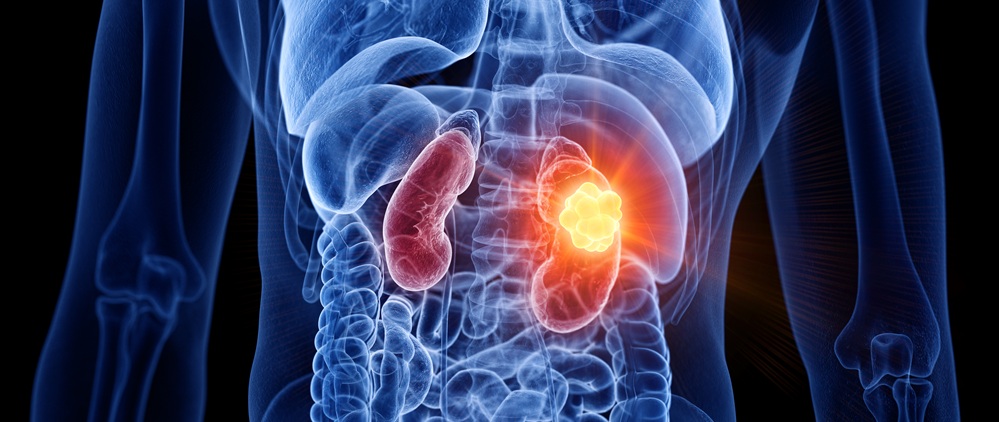
Demystifying the Science Behind Systemic Treatments for Prostate, Bladder and Kidney Cancers – July 2026
Virtual delivery via MS TeamsDuring this introduction to the science behind a wide variety of systemic treatments given to people with prostate, bladder, or kidney cancer, Dr Elaine Vickers will discuss current hormone therapies, immunotherapy and targeted treatments.
Cancer courses
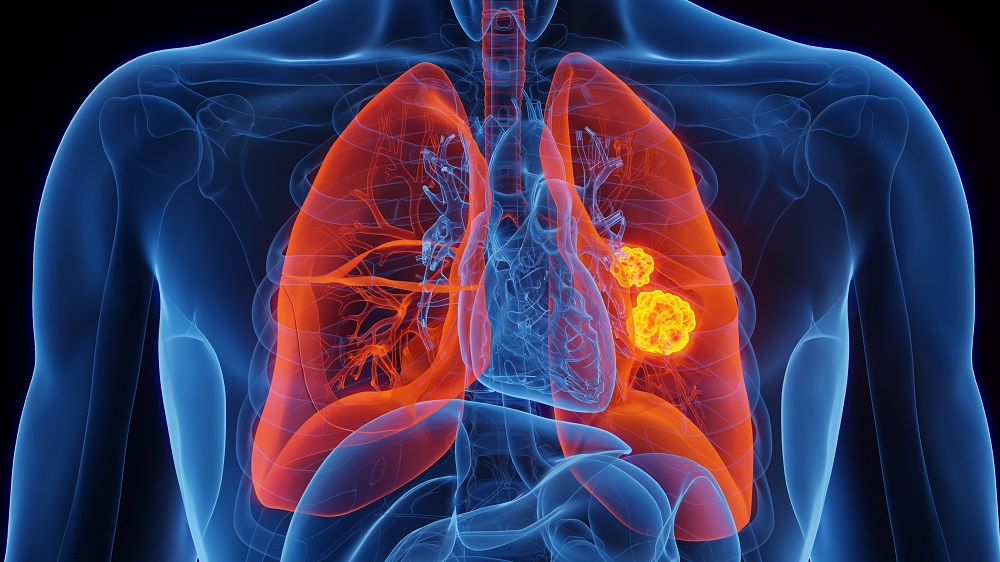
Targeted treatments and immunotherapy for Lung Cancer – September 2026
Virtual delivery via MS TeamsA focus on modern systemic treatments for non-small cell lung cancer (NSCLC) as well as the gene faults that drive many NSCLCs; the targeted treatments that exploit these faults, such as inhibitors of EGFR, ALK, ROS1, B-Raf, HER2, MET, and RET; the immune system and checkpoint inhibitor group of immunotherapies, including PD-1, PD-L1 and CTLA-4 targeted antibody therapies